
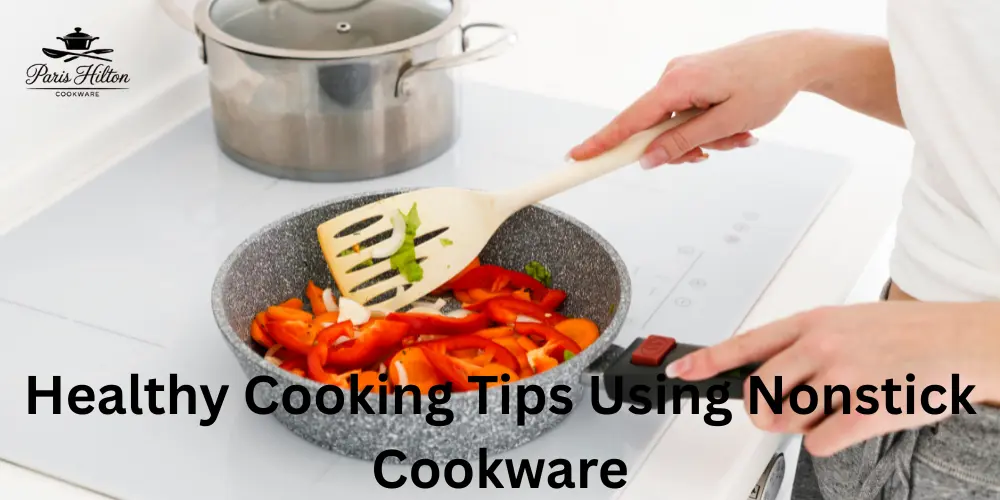
Cooking healthy meals starts with the right tools, and nonstick cookware can make a big difference in your kitchen routine. Whether you are trying to eat cleaner, reduce fat, or simplify your cooking process, nonstick pans make it easy to prepare delicious and nutritious meals with less effort. The secret lies in how you use them. With the right care and techniques, nonstick cookware helps you cook smart while maintaining the natural taste and nutrients of your food.
Healthy Cooking Tips Using Nonstick Cookware
Nonstick cookware lets you cook with minimal oil, which helps you reduce unnecessary fats while still achieving great flavor and texture. To get the most out of your pans, focus on using the right utensils, moderate heat, and gentle cleaning methods. These small habits not only protect the nonstick coating but also ensure that your meals are cooked safely and healthily.
Use Less Oil but Choose the Right Kind
One of the biggest advantages of nonstick cookware is that it needs very little oil. A light brush or spray is enough to keep food from sticking. However, using the right oil matters. Avoid cooking sprays that contain chemicals that can damage the coating over time. Instead, choose natural oils like olive or avocado oil. They add healthy fats and flavor without harming your cookware.
Cook on Medium Heat
High heat can quickly damage the surface of nonstick cookware and release unwanted fumes. Cooking at medium or low heat keeps your food’s nutrients intact and helps it cook evenly. Most nonstick pans conduct heat efficiently, so you rarely need to turn up the flame. Keeping your cooking temperature moderate is one of the simplest ways to protect both your pan and your health.
Use Silicone or Wooden Utensils
Metal spoons and spatulas may scratch your nonstick surface, which shortens its life and can lead to coating flakes mixing into food. Using silicone or wooden utensils is a safer choice. They are gentle on the surface and just as effective when stirring or flipping your meals. Taking care of your cookware helps ensure you are not accidentally consuming any coating material.
Avoid Preheating an Empty Pan
Preheating a nonstick pan without any food or oil can overheat the coating quickly. Always add a small amount of oil, butter, or water before turning on the heat. This helps maintain a safe cooking temperature and prevents damage. It also ensures that your ingredients cook more evenly and don’t stick to the surface.
Clean Your Cookware Gently
Proper cleaning is essential for keeping nonstick cookware safe and long-lasting. Wait for your pan to cool before washing, as cold water on a hot surface can cause warping. Use a soft sponge and mild soap instead of abrasive scrubbers. Avoid soaking for long hours and store your pans carefully to prevent scratches. Clean cookware not only looks better but also keeps your meals free from residue.
Don’t Use Nonstick Cookware for High-Heat Recipes
Nonstick pans are best suited for gentle cooking methods like sautéing, frying eggs, or making pancakes. For searing meats or stir-frying at very high temperatures, use stainless steel or cast iron instead. Keeping nonstick cookware for low and medium-heat recipes ensures it lasts longer and remains safe for everyday use.
Store Your Pans Properly
Stacking pans can lead to scratches, even when they look minor. If you need to stack them, place a paper towel or soft cloth between each one. This small step can protect your cookware and extend its lifespan. Taking care of your tools means you can continue cooking healthy meals without worrying about wear and tear.
FAQs
What is the safest way to use nonstick cookware?
Use it on low to medium heat, with silicone or wooden utensils, and avoid scratching or overheating the surface.
Can I use metal utensils on nonstick pans?
No, metal utensils can damage the coating. Always use wooden or silicone tools to keep the surface safe.
Is cooking spray safe for nonstick cookware?
Cooking sprays can build up residue that is hard to remove. Use a small amount of natural oil instead.
How long does nonstick cookware last?
With proper care, nonstick cookware can last two to five years. If the surface starts to peel or chip, it’s time to replace it.
Are nonstick pans safe for health?
Yes, when used correctly. Avoid overheating and replace damaged pans to ensure your food stays safe and toxin-free.
Conclusion
Healthy cooking is about making simple, smart choices, and using nonstick cookware the right way is one of them. By cooking with less oil, using gentle heat, and maintaining your pans properly, you can enjoy tasty meals that are both healthy and easy to prepare. Nonstick cookware can be your best friend in the kitchen if you treat it with care and cook mindfully.